.svg "TrackOne Studio logo")



When a student begins to struggle, you may rarely get a single, obvious sign. Concern tends to build gradually: a change in attendance, leading to fewer well-being survey responses, a shift in classroom behaviour, or a student who seems less engaged than usual in class.
Chances are that your school has already invested in making these signals visible. The harder question is what to do with them, since insight only matters once it leads to timely, coordinated action.
Visibility is only the beginning
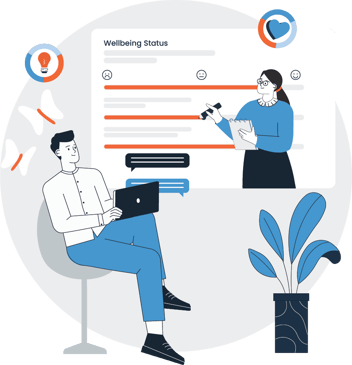
Timely, holistic data helps you notice change earlier and start conversations sooner. But visibility alone won't get you far: the hardest part usually begins after you've spotted a concern. TrackOne Studio's student-led wellbeing surveys are done through the Student Wellbeing module. This consolidates wellbeing, attendance, behaviour, and learning data so you can catch downward trends early, but it can only ever be as useful as the response process you build around it.
You might notice a student's wellbeing responses have declined. Or you might be the one spotting a pattern emerging across a cohort. Either way, you can be left asking the same four questions:
- What does this mean?
- How urgent is it?
- Who should respond?
- What happens next?
More data doesn't answer those on its own. What helps is a clear way to work through them, so you can move from noticing something to doing something about it.
If you're still building the case for that visibility, our blog supporting student wellbeing with data-driven insight covers that ground.
Which signals deserve a closer look?
You don't need to treat every low score or difficult week the same way; students have natural ups and downs. Is one flat survey result a genuine concern, or just a rough week? Usually, the pattern answers that for you, not the single data point: a sustained downward trend, low levels of reported belonging, or repeated disengagement across consecutive check-ins.
A concern becomes more significant once it's paired with falling attendance, more behaviour incidents, missed work, or reduced classroom participation.
Research on early-warning indicators consistently finds attendance, behaviour, and course performance (sometimes called “the ABCs”) more predictive together than any single measure alone, according to Psychology in the Schools (2025). Attendance difficulties in particular are also recognised in the 2023 review from Frontiers in Education as an early warning signal for wellbeing, not just attendance record-keeping. By reading wellbeing alongside attendance, behaviour, and learning progress, a single number turns into a fuller picture and gives you an idea how urgently you need to respond.
What does a practical wellbeing plan look like?
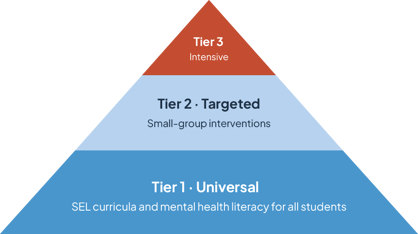
A strong wellbeing plan doesn't need to be complex. It just needs enough structure that you can respond consistently. Most Australian school wellbeing plans now use a Multi-Tiered System of Supports (MTSS), organising the response into three tiers of intensity, aligned directly with the Australian Student Wellbeing Framework and the Australian Curriculum's Personal and Social Capability:
- Tier 1 (Universal): Evidence-based SEL curricula and mental health literacy taught to all students
- Tier 2 (Targeted): Small-group interventions, such as resilience programs or social skills groups
- Tier 3 (Intensive): Individualised plans developed with psychologists, families, and external agencies
Within Tier 1, most schools draw on the five core Social-Emotional Learning competencies to help students bloom: self-awareness, self-management, social awareness, relationship skills, and responsible decision-making.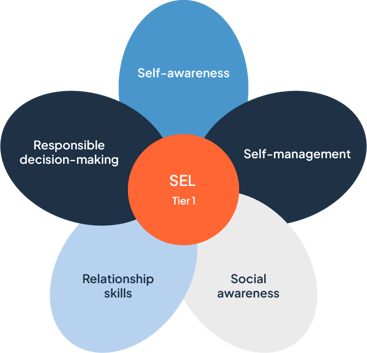
A wellbeing plan works best when you revisit it, rather than treating it as a one-off fix. Picture it like releasing the brakes on a car one at a time. You address one trigger, then ease off the next, rather than expecting a student to move forward the moment every constraint disappears at once.
Ask yourself what's actually holding this student back, and which brake you can realistically release first. Your plan should answer that clearly, along with who's responsible and a timeframe for review, whether that's a teacher conversation, family communication, a specialist referral, or closer monitoring.
TrackOne Studio sits underneath these decisions as your shared source of truth, so you always know who did what and when. Read more in our other blog The Pillars of Student Support for more on this approach.
How should schools prioritise the response?
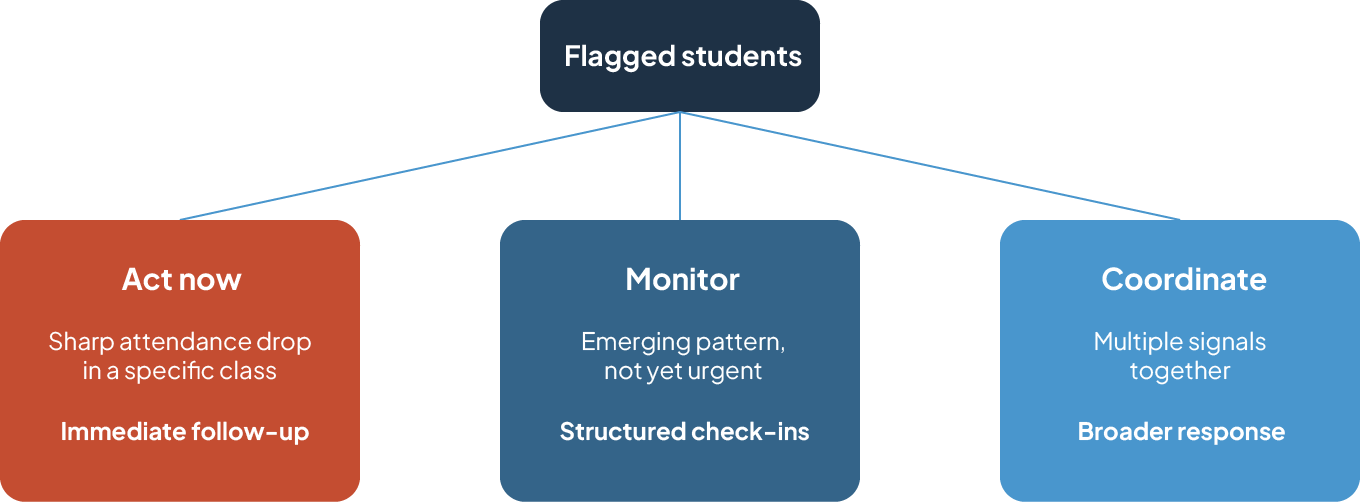
Not every flagged student needs the same urgency. Some need immediate follow-up such as attendance dropping sharply in one class; others need structured monitoring, or classroom-level support before a broader intervention. Instead of asking yourself “which students are flagged?”, try three sharper questions:
- Which need action now?
- Which need ongoing monitoring?
- Which need a broader, coordinated response?
Those answers can help redirect your time where it's needed most without drowning in disconnected alerts.
Once you've prioritised a student, how you open the conversation matters too. “I've noticed you've been in the sick bay during maths lately, can I help support you?” may receive a deeper response than a general “how are you going?”, because it attaches observations to a pattern.
Is the wellbeing plan working?
Student needs can change quickly, so you need a clear point to ask yourself: is the original concern easing, are new concerns emerging, and does the current support level still fit? A student might show improved attendance before their wellbeing responses lift or seem more settled in class before broader behaviour shifts; progress isn't always immediate or linear. A clear review point keeps you grounded in evidence, so it's easier to refine the plan, escalate where needed, or step support back as a student stabilises.
Awareness becomes action
Wellbeing data is most useful when it moves you from awareness to action. Alongside attendance, behaviour, and learning insights, it helps you spot students who need help, respond with confidence, and check whether your plan is working. Instead of needing more data for that, use what you already have to reach the right people at the right time.
If you're working to make wellbeing more visible at your school, the next step is making that visibility useful. Book a demo to see how TrackOne Studio supports this end-to-end.